Bedroom Interior Design: A Weekend Refresh Without New Furniture
You do not need a new bed frame to fix a bedroom that feels flat. Paint, bedding layers, better light, and one honest declutter pass can change how the room feels by Sunday night.
The Bedroom You Wake Up In Matters More Than the Living Room
I used to treat the bedroom like storage with a mattress. Clothes on the chair, one harsh ceiling bulb, sheets I bought in college. Guests never saw it, so I told myself it did not count.
Then I started working from home two days a week and realized I was spending a third of my life in a room I had never actually designed. Not renovated — designed. There is a difference. Renovation is tearing out walls. Design is deciding what your eye lands on when you open the door.
A bedroom refresh does not require a truckload of furniture. Most of the rooms I help friends with already have a bed, a dresser, and a lamp that came with the apartment. The problem is usually flat color, flat light, and too many small objects competing for attention.
Give yourself one weekend. Saturday for the messy work. Sunday for textiles and the final walk-through with coffee.
Start by Removing What Does Not Belong
Before you buy a single pillow, clear the surfaces.
- The chair pile — If you have a dining chair holding jeans, those jeans live in a drawer or the hamper. The chair can stay, but it needs a job.
- Nightstand clutter — Keep a lamp, one book, maybe a glass of water. Everything else goes to a basket in the closet for one week. If you do not reach for it, donate it.
- Visual noise on the dresser — Perfume bottles and loose change read as mess even when they are clean. A shallow tray corrals them without a full organizational overhaul.
This step costs nothing and does more than most accent walls. A calm bedroom is mostly about what is not there.
Paint Is Still the Biggest Lever
Landlords often allow paint if you return to white on move-out. Even if you own, a gallon of quality matte paint beats a new headboard for impact.
Bedrooms look best with colors that feel quiet at 10 p.m. and still pleasant at 7 a.m.
| Direction | Example Shades | Works When |
|---|---|---|
| Warm white | Benjamin Moore White Dove, Sherwin-Williams Alabaster | Small rooms, north-facing windows |
| Soft greige | Farrow & Ball Pavilion Gray, BM Revere Pewter | You want depth without going dark |
| Muted clay | SW Accessible Beige, Clare Seize the Gray | You like warmth but hate yellow |
| Deep accent (one wall only) | BM Hale Navy, SW Urbane Bronze | Large room; headboard wall only |
Paint the ceiling the same family as the walls, one step lighter. A bright white ceiling floating above greige walls can make the room feel chopped up.
Test swatches on the wall you see from the doorway, not the wall behind the bed. That is the first surface your brain reads when you walk in.
Use our room color palette generator to build accent colors for bedding and art before you commit at the paint counter. Picking paint and pillows separately is how people end up with five shades of beige that do not talk to each other.
Bedding Is Where the Room Gets Its Personality
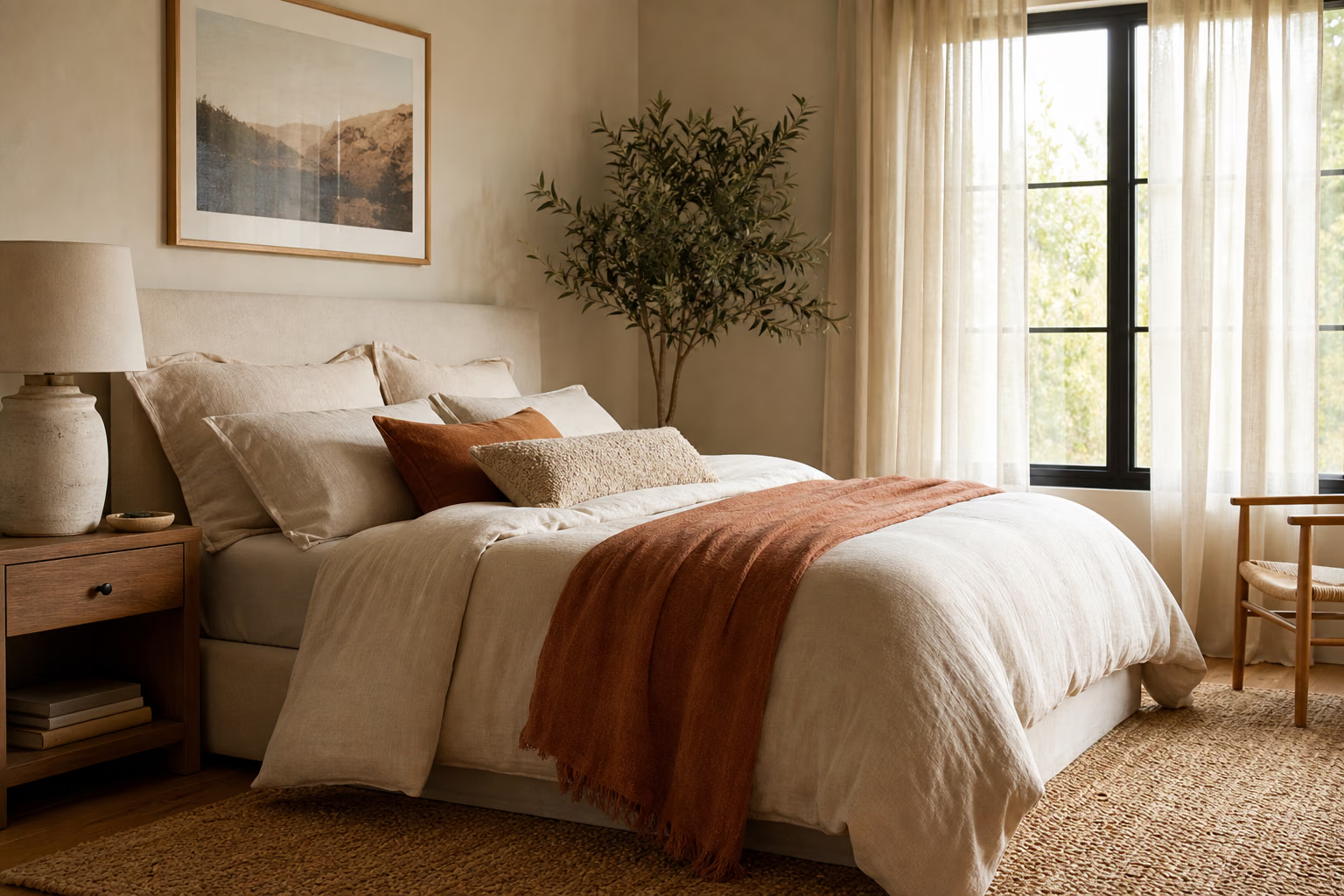
The bed is the largest object in almost every bedroom. If the bedding is wrong, nothing else matters.
Layer in this order:
- Fitted sheet — Cotton percale if you sleep hot; sateen if you want a smoother hand.
- Duvet or quilt — White or off-white reads hotel-clean. Pattern belongs in the shams or throw, not necessarily the whole duvet.
- Sleeping pillows — Match the sheet or duvet. Do not display them; they are for function.
- Decorative shams — One or two. More than that looks like a showroom nobody sleeps in.
- Throw blanket — Folded across the foot of the bed. Linen in summer, chunky knit in winter. One texture contrast is enough.
Fluff your pillows every morning. It sounds fussy. It takes forty seconds and makes the room feel finished when you walk back in at night.
If your mattress sits low and makes the room feel squat, add a simple bed skirt or a platform frame later. For this weekend, focus on textiles you can swap seasonally.
Fix the Light Before You Buy More Decor
Overhead-only lighting is why bedrooms feel like hotel hallways. You want two heights of light: something soft near the ceiling and something warm at bedside.
- Swap the bulb first — 2700K warm white. If the fixture is ugly but functional, a better bulb costs $8.
- Add matching bedside lamps — Same height, same shade style. Asymmetry is fine; mismatched junk-store lamps are not.
- Put one lamp on a dimmer — Either the overhead or the bedside circuit. Being able to lower light before sleep is worth the electrician visit if you are not comfortable with wiring.
If your window is a single panel that barely clears the frame, mount the rod higher and wider. The same trick we use in small living rooms applies here: curtains should kiss the floor and frame the glass, not hug it. Our curtain size calculator gives width with proper fullness so panels stack back without blocking daylight.
One Rug Grounds the Whole Layout
A rug that is too small is worse than no rug. For a queen bed, aim for at least 8×10 feet so the front legs of nightstands and the foot of the bed sit on it. In a tight room, a 6×9 under the lower two-thirds of the bed still works if nightstands stay off the edge.
Choose a low pile. High shag feels luxurious until you step on it with socks at 2 a.m. and wonder what you tripped on.
Natural fiber — jute, wool blend, flat weave — adds texture without pattern. If your bedding is solid, a subtle stripe or vintage-style rug can carry the visual interest.
Art and Mirrors: One Good Piece Beats a Gallery Wall
Bedrooms need rest, not stimulation. One large print or framed textile above the headboard gives you a focal point. Hang the center 57–60 inches from the floor, same rule as the living room.
Mirrors belong on walls that bounce window light, not directly opposite the bed if reflections at night bother you. Some people love that; some find it unsettling. Know your own sleep habits.
Avoid motivational quotes in the sleep zone. Your brain does not need homework before bed.
What to Skip This Weekend
- Replacing all your furniture — Live with the layout for a month after the refresh. You might only need one nightstand upgrade, not a full set.
- Trendy LED strips — Cool blue light fights melatonin. Warm lamps win.
- Fifty throw pillows — Two shams, one lumbar or round accent if you must. The bed is for sleeping.
- Matching everything — The nightstand can be wood while the dresser is painted. Consistency in color temperature matters more than matching brands.
Sunday Night Walk-Through
Stand in the doorway. Ask three questions:
- Does my eye go to one calm focal point?
- Can I reach the light switch and lamp without climbing over things?
- Would I be embarrassed if someone saw this room — not because it is expensive, but because it looks intentional?
If you answer yes, yes, and no, you are done. Wash the new bedding, set the dimmer low, and actually use the room the way you designed it.
Bedroom interior design is not about copying a Pinterest board. It is about waking up in a space that feels like yours — quieter, warmer, and a little more honest than the pile-of-clothes version you started with on Friday.
Topics covered
- bedroom design
- interior design
- weekend DIY
- neutral decor
Frequently Asked Questions
What is the best paint finish for a bedroom?
Matte or eggshell finishes hide wall imperfections and cut glare from lamps. Avoid high-gloss paint on large wall areas — it reflects light in ways that feel restless at night.
What size rug fits under a queen bed?
An 8×10 foot rug lets the front legs of nightstands and the foot of the bed sit on the rug. In tighter rooms, a 6×9 under the lower two-thirds of the bed still works if nightstands stay off the edge.
How many decorative pillows should a bed have?
Two shams plus your sleeping pillows is enough for most bedrooms. Add one lumbar or throw pillow only if you actually move it off the bed before sleep — otherwise it becomes clutter.